Abortion Pills & Self-Managed Abortion
We should be able to choose where, when, and how to have our abortions.
Jump to a resource on this page:
Laws and policies may change. Learn about your legal rights and risks: Visit If/When/How.
What is Medication Abortion?
In the U.S., more than 60% of abortions are medication abortions. Medication abortions commonly use mifepristone and misoprostol, or “abortion pills,” to end pregnancies. Both abortion pills are safe and effective.
Two methods are commonly used for medication abortion. In the first method, mifepristone and misoprostol are taken in combination. This approach ends pregnancy around 95% of the time without other treatment. In the second method, misoprostol is taken alone. This approach ends pregnancy around 85% to 90% of the time without other treatment.
Depending on where you live, providers can prescribe abortion pills in-person or via telehealth. You can also find abortion pills outside of the formal U.S. medical system through trustworthy online sources. Learn about getting abortion pills on your own: Visit What is Self-Managed Abortion?
Explore Abortion Options
I Need An A has up-to-date information about abortion clinics, pills by mail, and state abortion laws.
Visit I Need an ATalk to Someone About Abortion
Reprocare’s peer-counselors provide anonymous support, medical information, and other abortion resources.
Visit ReprocareFind Abortion Providers & Pills
Plan C provides information about telehealth providers, websites for abortion pills, and other abortion resources.
Visit Plan CAbortion Pills: Common Questions
What does each abortion pill do?
Mifepristone blocks progesterone, the hormone that keeps you pregnant. Misoprostol causes cramping, which empties the contents of the uterus. When the two pills are taken together, pregnancies end without other treatment around 95% of the time.
Can I take misoprostol by itself?
Taking misoprostol alone is a safe and effective way to have an abortion. When misoprostol is taken without mifepristone, it ends pregnancies about 85% to 90% of the time without other treatment. This means that people can still have medication abortions even if access to mifepristone becomes more restricted. Learn more about misoprostol-only abortions.
Are abortion pills safe? How can I get them?
Abortion pills are safe. The World Health Organization has stated that both mifepristone and misoprostol are safe when used correctly, with or without a clinician. But some states still ban or limit access by restricting telehealth and adding other requirements that make it harder or riskier to access medication abortions. Contact Reprocare for information about getting abortion pills for free by mail.
What if I need to go to the doctor or hospital after taking abortion pills?
Complications from medication abortions are very rare, but they can happen. If you need emergency treatment after taking mifepristone or misoprostol, don’t wait. Get help from a doctor or hospital right away. Not sure if you need help? Call or text a nurse or doctor at the M+A Hotline. They can answer your medical questions confidentially.
Medication abortions can look the same as miscarriages. You don’t need to tell anyone, including medical staff, that you had an abortion. There isn’t a test that can identify abortion pills in your blood or urine. If there aren’t physical pills in your mouth or vagina, they can’t be detected after you take them. Learn more: Read What If I Go to the ER After an Abortion or Miscarriage.
How much do abortion pills cost?
The price of abortion pills can vary. Their cost depends on where you live, if you have insurance or Medicaid, how you get the pills, and other factors. Getting abortion pills through a doctor or clinic usually costs around $600. But clinics and providers can also accept insurance or Medicaid. Some clinics offer discounts or even free pills. And telehealth can lower the cost to $150 or less. Visit I Need an A to find abortion pills and estimate how much they will cost.
What is telehealth? How can it help me get abortion pills?
During telehealth appointments, medical providers are in separate locations from the people they’re treating. Phones, the Internet, video calls, and chat systems make these remote appointments possible. Telehealth is vital for abortion access because it supports folks who either live in states where abortion is banned or restricted or live in rural or isolated parts of the country. Because of telehealth and shield laws, it’s possible to find abortion pills and other support resources no matter where you live. If it becomes illegal to prescribe and mail mifepristone, U.S. telehealth providers would likely still be able to prescribe misoprostol for medication abortion. Telehealth appointments from international providers would also likely still be able to help you get both abortion pills.
You Can Still Get Mifepristone via Telehealth.
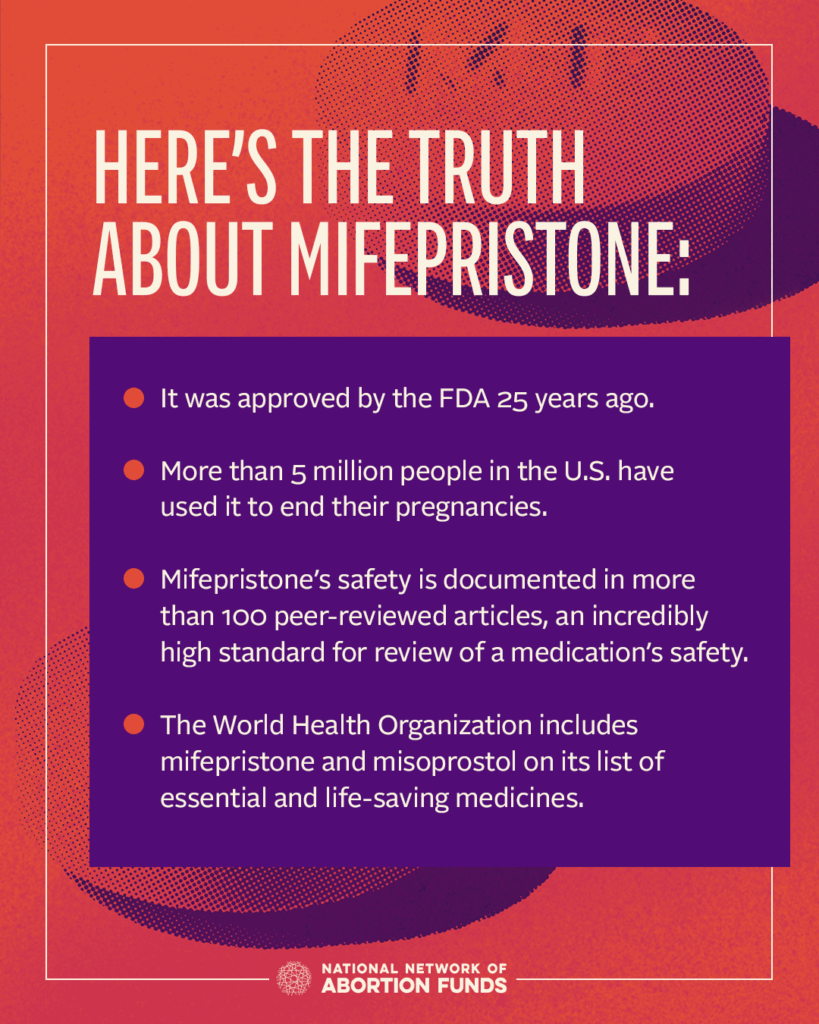
You may have heard about a case trying to limit access to medication abortions. In Louisiana v. FDA, anti-abortion extremists are trying to restrict access to mifepristone, a vital abortion pill. They want to require that you can only get this medication in person at a health center. This case is happening now, and if mifepristone were unable to be provided via telehealth because of this case, it would remain available in person. However, it may become much harder to get it in states with abortion bans and restrictions.
Keep in mind: If it’s ever required that mifepristone be dispensed only in person, you will likely still be able to get medication abortions from providers via telehealth using misoprostol-only protocols or possibly from international providers.
What is Self-Managed Abortion?
A self-managed abortion (SMA) is when a person ends their pregnancy, either entirely or partly, outside the formal medical system. That means they don’t get in-person or telehealth support from a doctor or clinic for some or all of their abortion.
SMAs can sometimes be easier to plan and more private than abortions in medical settings. It often means people can have abortions in the comfort of their own homes, while they’re supported by trusted loved ones. People can also get online resources and emotional support for their self-managed abortions. You don’t have to be or feel alone if you choose to self-manage your abortion.
Find Online Resources for SMA
Abortion on Our Own Terms offers stigma-free resources and support for managing your own abortion.
Visit Abortion on Our Own TermsLearn About SMA & Abortion Pills
Self-Managed Abortion; Safe and Supported (SASS) explains what happens when you manage your own abortion with pills.
Learn about SMA from SASSGet Medical Support for SMA
Connect with the doctors and nurses at the M+A Hotline to get support for managing a miscarriage or abortion.
Connect with the M+A HotlineIs It Legal to Manage Our Own Abortions?
The laws about abortion are complex. They vary by state and have changed a lot. This can make knowing whether self-managed abortion is legal confusing. Importantly, it’s not illegal in most places to self-manage an abortion. Nevada is the only place where self-managed abortion is illegal after 24 weeks. But what the law says and how it is used can be different. Some people have faced investigation, arrest, and prosecution for self-managing their abortion or for supporting someone else with self-managed abortion—even in states where it is not a crime.
We know this information can feel scary. You aren’t alone if you self-manage your abortion. There are people and organizations who can answer your legal questions and help you navigate legal risks.
Get Confidential Legal Help
If/When/How’s Repro Legal Helpline can answer questions about rights, risks, and options related to abortion and self-managed abortion. Their Repro Legal Defense Fund can help pay legal costs.

Why Do We Manage Our Own Abortions?
Self-managed abortion has a long history, and people choose it for many reasons. For some, self-managed abortions (SMAs) may be the safest or most comfortable abortion method.


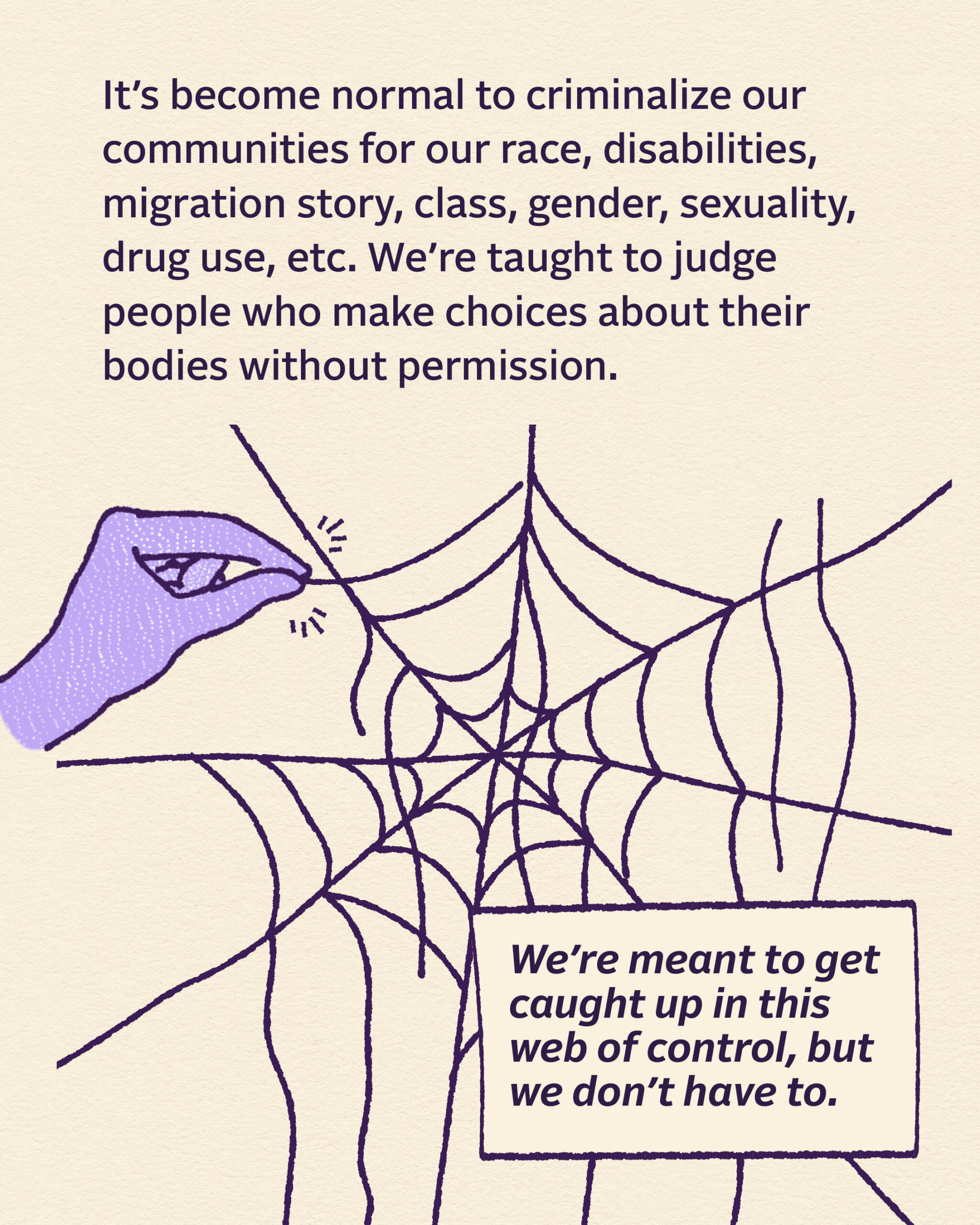


For others, it could be their only option. Some people might not have the money they need to pay for an abortion through the formal medical system. And other folks may not be able to reach medical providers because of disability, documentation status, distance from providers, and other personal and legal barriers.
Increasing bans and restrictions force folks to travel farther to get abortions. In states that restrict abortion, many clinics have closed. And those that remain are overburdened. This can make it hard to find an appointment for an in-clinic abortion or abortion pills. Longer trips to access abortions mean folks are paying more for childcare, losing wages because they must take more time off work, and paying more for lodging and food while they travel. Read our 2025 Membership Enrollment Survey to learn more.
Learn more about the power and history of managing our own abortions. Visit NNAF’s Power in Our Hands learning series and read the full Power in Our Hearts Zine.
Abortion Pills & Self-Managed Abortion Resources
Visit these websites for more information and resources about medication abortions and self-managed abortions.*
Talk to a Doctor or Nurse
The M+A Hotline connects people who are managing miscarriages and abortions with doctors and nurses.
Visit the M+A HotlineGet Legal Help
Contact If/When/How’s Repro Legal Helpline with legal questions about abortion, pregnancy, birth, and parenting. It’s free.
Visit the Repro Legal HelplineFind Abortion Pills
Plan C has resources about telehealth providers, websites for abortion pills, and other information for managing your abortion.
Visit Plan CExplore State Abortion Laws
I Need an A has up-to-date information about abortion laws and abortion providers in the U.S., Mexico, and Puerto Rico.
Visit I Need An AFind Abortion Providers
Abortion Finder offers a thorough directory of trusted, verified abortion providers across the U.S.
Visit Abortion FinderTalk to a Peer
The peer-counselors at Reprocare’s Healthline offer anonymous support, medical information, and other resources to help with an abortion.
Visit ReprocareGet Tips About SMA
Self-Managed Abortion; Safe and Supported (SASS) explains what to expect after taking abortion pills and answers questions about managing your own abortion.
Visit SASSFind Stigma-free Support
Abortion On Our Own Terms offers stigma-free information and resources for self-managed abortion and abortions with pills.
Visit Abortion on Our Own TermsDiscuss All Your Options
All-Options Talkline offers free peer counseling about past or present abortion, adoption, infertility, parenting, and pregnancy loss.
Visit All-Options*This page offers information and practical guidance, but it is not medical or legal advice. NNAF does not monitor or endorse the accuracy of any information found at these links. The information at these links represents the views of the linked organizations, not NNAF.