
In this new NNAF collective care learning series, Care Not Control, Support Youth Autonomy, we explore the restrictions on reproductive healthcare that impact young folks. In part one, The Fight for Youth Bodily Autonomy, we look at paternalism versus autonomy and how to use our shared values to examine how we see youth’s agency in their lives. Plus, we consider how outdated gender and heteronormative education and cultural expectations harm young people’s relationships with sex, gender, relationships, pregnancy, and abortion.
Let’s shift cultural stigma and expand our understanding of youth bodily autonomy.
Bodily Autonomy is for Everyone
Being pro-abortion and supporting young people’s full bodily autonomy go together.
Our younger friends, neighbors, and family, chosen and beyond, are highly impacted by structural oppression, cultural stigma, and limited resources. This includes those who have abortions, choose to parent, or seek gender-affirming healthcare. Young people, just like people of all ages, deserve reproductive dignity, autonomy, and respect.
Young people do not deserve to be shamed, silenced, or surveilled.
- Young folks deserve access to comprehensive sex education and high-quality healthcare.
- They deserve access to abortion, gender-affirming healthcare, and support for birthing and parenthood.
- And they should be surrounded by an ecosystem of caring community members. This can include support from caregivers, parents and guardians, neighbors, health workers and providers, teachers, friends, and other trusted adults.
As supportive adults in their ecosystems of caring community, we must be in solidarity with young people. We must push against the systemic oppression they face.”
The National Network of Abortion Funds (NNAF)

Trust Young People
Did you know: Across states, young people have some of the highest barriers to abortion access.
Think back to when you were a young person. Imagine you are pregnant and considering abortion.
You know your parents are very anti-abortion and would not support your decision. So, you try to see a doctor on your own, but the office says they need to notify your parents or get their permission for the abortion. Your other option is to appear before a judge and get permission to have an abortion. You may even need to travel out of state for your abortion, but the adults you trust can’t help. With some states’ “anti-trafficking” laws, they are afraid of being criminalized. You feel stuck and scared, with no community support. You wish someone would honor, respect, and assist you in your decision.
For youth who are Black, Indigenous, and people of color, trans and gender expansive, poor or working class, or lack access to healthcare, legal restrictions are even worse.
Young people are also surveilled more. Often, parents may be watching a teen’s location, making it hard for them to access healthcare or keep their actions private. Their healthcare records might also be sent to their parents, which could add more risk if the parents aren’t supportive. Abortion funds and pro-abortion organizations can support youth who face privacy and confidentiality challenges. Read Hey Jane’s student guide to having an abortion, and this blog from INeedAnA about accessing abortion as a teen.
Transportation obstacles and poor public transit are also major barriers to young people accessing care. Many don’t have access to a car or have a driver’s license. Young folks in rural areas have to travel farther for care because of doctor shortages. Even with support from friends or neighbors, some states have made it illegal for adults—even family members—to drive young people to healthcare appointments or support abortion care under the ruse of preventing “child trafficking.” Abortion Care for Tennessee, Mountain Access Brigade, and Northwest Abortion Access Fund have dealt with abortion travel legislation. They know how to work with their communities and maintain support for young people that is rooted in care rather than blame, shame, and paternalism. Visit their websites and contact them for support.
Build Support, Not Shame
In the U.S., teen sexual health education models focus on prevention and abstinence.
This approach denies the truth that young people have sex, bans access to crucial sexual and reproductive health information, and promotes misogyny, transphobia, and unhealthy relationships. These methods have created stigma around teen sex, pregnancy, and parenthood, labeling them immoral and deviant. This culture of shame impacts the way young people are treated and whether they choose to have abortions or continue their pregnancies. Often, young folks are treated with suspicion, shame, or paternalism when speaking up about their needs.
“In my culture, there’s a strong belief that if you get pregnant, you should carry the baby because it was your choice to have sex. So, there’s a lot of stigma around abortion.”
–Anonymous Teen, abortion ecosystem study, Ibis Reproductive Health
Despite the stigma, young folks are leaning on each other and creating their own mutual aid networks of care and support. They recognize that “legal abortion is not enough; young people need to help each other access it,” Anonymous Teen, “Envisioning an ecosystem of abortion support: Conversations with young people in the United States,” Ibis Reproductive Health.
The Youth Abortion Support Collective (YouthASC) from Advocates for Youth is a grassroots national network of young people. They provide support navigating the abortion process, including logistics and travel. In the program, young people help their campus communities become abortion doulas. They learn the laws and medical facts on self-managed abortion care. They provide housing or rides for others needing abortion care and join activists to fight abortion bans.
Abortion funds, including All-Options, Abortion Fund of Ohio, Jane’s Due Process, Abortion Fund of Arizona, and Right By You, believe that young people should be able to choose their own reproductive futures and work together to support young people in all of their reproductive experiences, including abortion, pregnancy, and childbirth.
Visioning Reproductive Futures
Young people tell us that they need more support and less confusion, judgment, fearmongering, and stigma when making healthcare decisions.
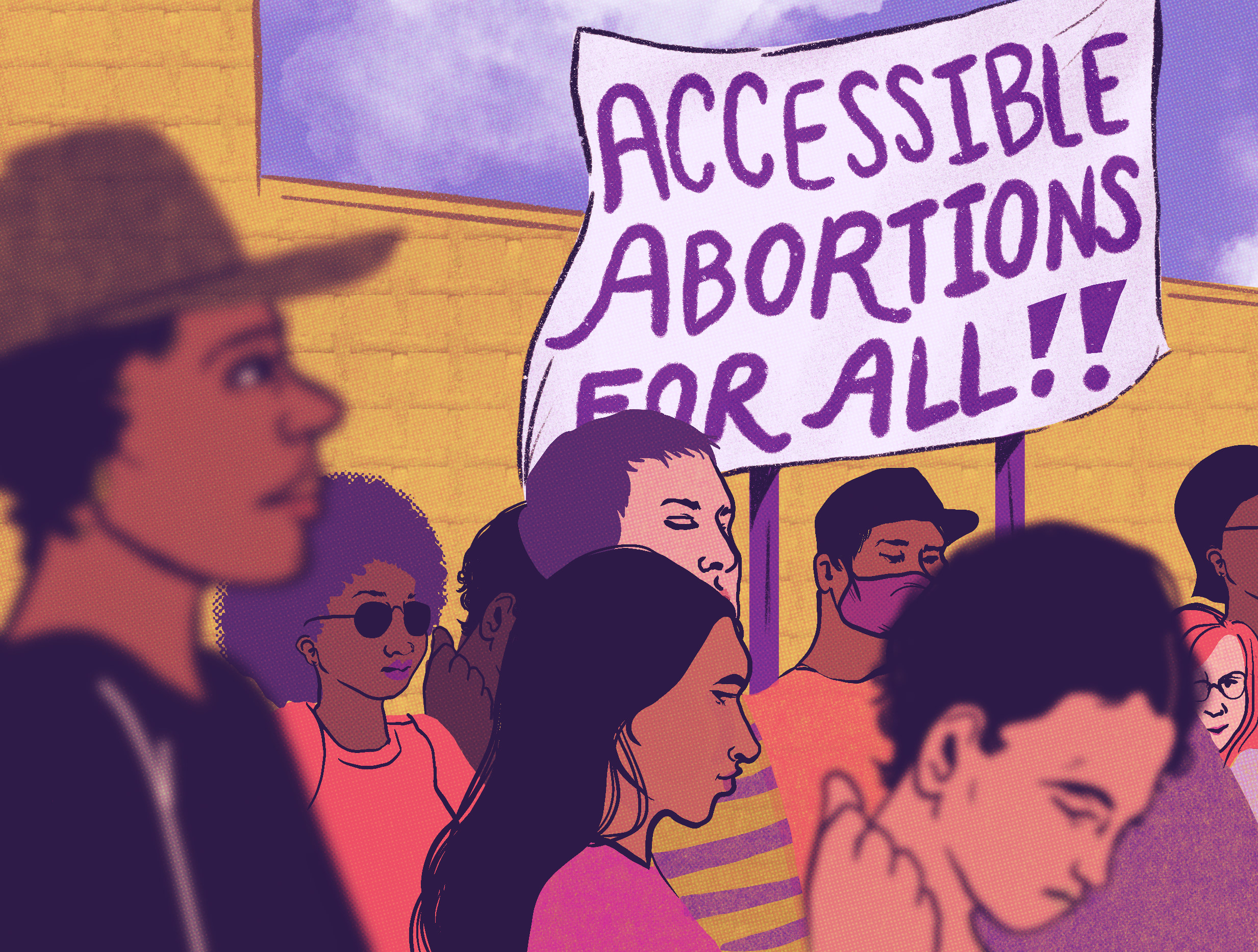
Here are Three Ways You Can Help:
Plug into Mutual Aid! Donate to abortion funds that center and support youth access: All-Options, Abortion Fund of Ohio, Jane’s Due Process, Abortion Fund of Arizona, Right By You, Abortion Care for Tennessee, Mountain Access Brigade, Northwest Abortion Access Fund, and more! This one step helps ensure young people have the sustained aftercare they need, no matter which reproductive decision they make. Your contribution can support things like mental healthcare visits, childcare coverage, and physical post-abortion or birth needs.
Create Support! Talk to the young people in your life. Understand their dreams, fears, hopes, and support needs. Ask them what you can do to support them. Trust them, and honor their journey. Map out what kind of support you can be for the young people that you care about.
Get Educated! Learn as much as you can about the conditions young people face. Examine the legislation in your state that impacts young people’s reproductive healthcare access. Attend city council and school board meetings to discover the resources available to young people in your community and notice where the gaps are. Listen to young folks when they share what they’re going through.
Meet us in your inbox—or on the Care Not Control page! Keep learning and strengthening youth bodily autonomy with us.