
Welcome to the fourth post from Care Not Control: The Problem is Patriarchy, Part Two. In this edition, we continue to look at the ways that white supremacist culture impacts our society and denies young people autonomy over their bodies.
Let’s explore how media and popular culture reinforce patriarchal expectations for youth.
Patriarchy in Practice
Young people are some of the least powerful in society. Colonialism created power imbalances that persist to this day.
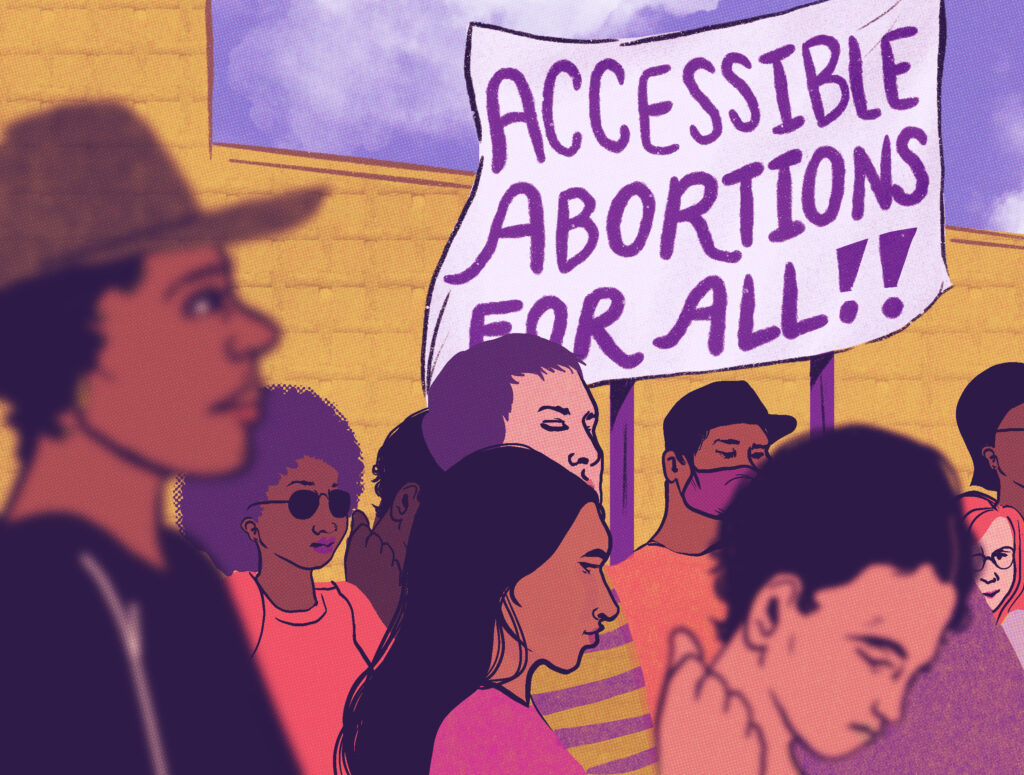
Masculinity is still equated with power, control, and money. And femininity is still tied to “softness,” domesticity, caretaking, familial duties, and physical and emotional fragility. Young people are viewed as fully under their parents’ control, and conformity to “traditional” roles and living is expected and taught.
Young folks who break these norms are punished and stigmatized by adults who don’t trust young people to make decisions about their bodies and lives. Adults with this misplaced belief often use it to justify surveillance and unjust treatment in schools, healthcare, and by the law.
To overcome patriarchy, we must understand how conservatives sustain its oppressive structure.
Who Controls the Media?
Straight, cisgender men are still treated as the center of society. Colonialism’s biased ideas of ownership and control created this imbalance, too. And popular culture reinforces it to this day through shows, movies, art, social media, and more.
Old American TV shows like The Dick Van Dyke Show and All in the Family, as well as modern shows like Mad Men, remind us of white men’s elevated status. Mainstream media has also critiqued patriarchy with movies like The Stepford Wives, The Invisible Man, and Don’t Worry Darling. But these critiques of patriarchy aren’t enough. Conservatives use media and culture to promote patriarchy and nuclear, heterosexual families. Their strategy also vilifies empowered women and creates false controversy about unapologetically queer artists.
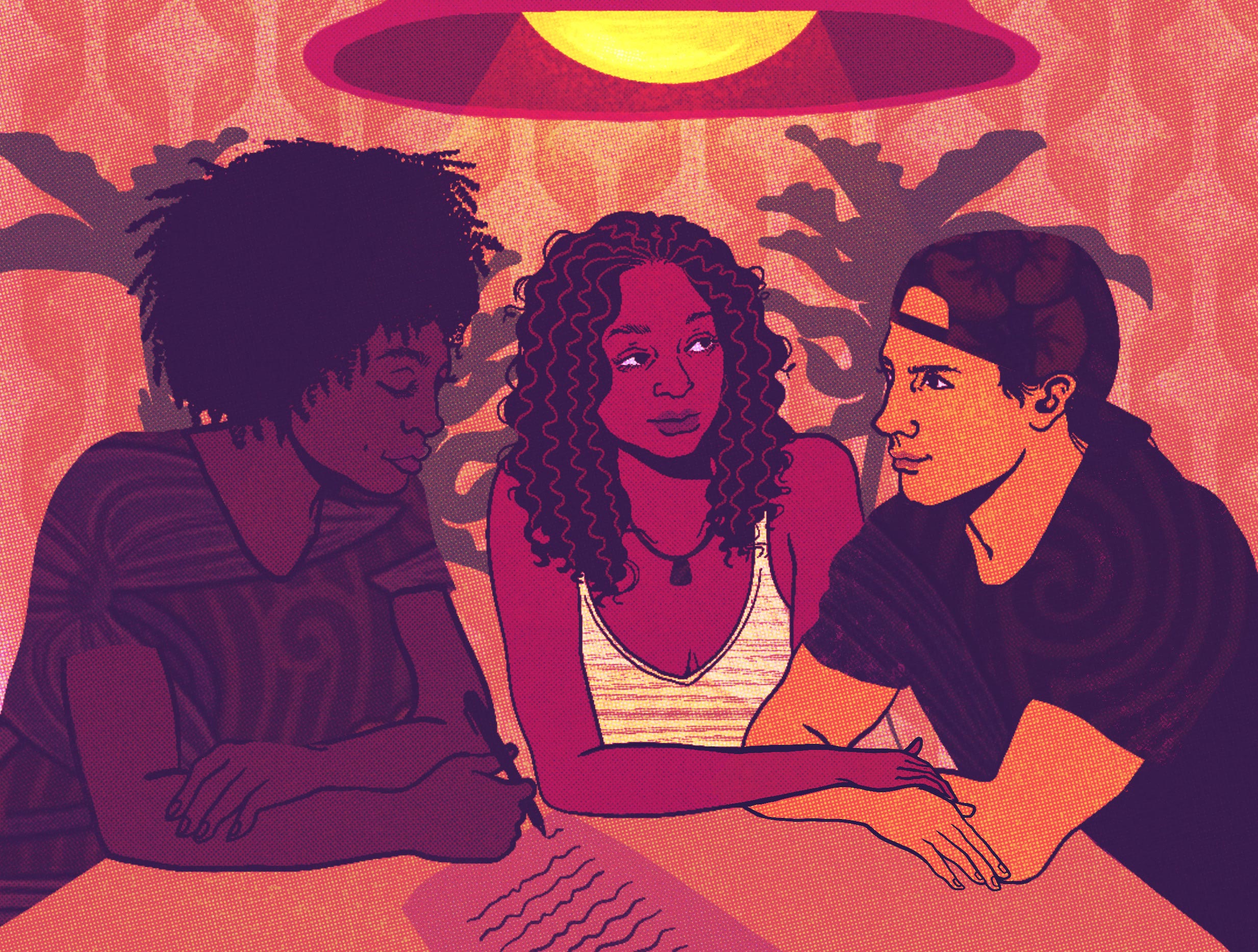
Abortion, Every Day explains how conservatives target young people’s reproductive futures, hoping to control more than their access to abortion and gender-affirming healthcare. “Tradwife” trends are also on the rise, as shown by an increase in online influencers and paid voices promoting “traditional” cisgender, heteronormative values to young people on social media. But the truth is, all of this is just a rebrand. Conservatives are selling the same old, oppressive ideology as fresh and simple lifestyles for young women and birthing folks. They want to convince women, young people, and gender expansive people to give up their rights and agency.
Here’s How They’re Doing It:
- Anti-abortion extremists are promoting a pronatalist agenda. This includes flooding the internet with false content that warns young people about “dangerous,” unscientific side effects of birth control.
- They’re criticizing “girlboss” attitudes and championing “side hustle trad-wife” trends.
- They keep reducing and eliminating funding for young people’s access to unbiased, patient-centered healthcare.
- They’re erasing cultural and queer identities and shuttering supportive programs in the same states with massive abortion clinic closures.
Young people have been the spark for change in every generation. They deserve to be active partners in determining their futures. They should receive unbiased support for abortion, adoption, or parenthood. And they deserve to experience gender euphoria as youth, and grow into adulthood and old age.
Calling All Matriarchs
Societies that value people over property and profits exist. Many global Indigenous cultures live matriarchally—even as patriarchy dominates the world through violence and colonialism.
Indigenous societies often center matriarchal views, value young people, and uplift equitable treatment of women and respect for queer and trans people. But these alternative structures have been deliberately hidden and erased.
In these communities, mothers and birthing people are the backbone. They are respected and trusted. Young people are valued as contributors and are woven into the fabric of family and society. Building a new world is not about replacing one oppressor with another. It’s about shifting to a culture where bodily autonomy is respected for everyone, including young people.

“You have to act as if it were possible to radically transform the world. And you have to do it all the time.”
― Angela Davis
We should support youth, now and in the future. Their autonomy should be centered and valued. Creating a more just world begins with each of us and how we treat the young people in our lives.
What does a world look like when we shift to a different framework and treat youth as collaborators? Let’s build that future. Together.
Plant Powerful Youth Futures
By design, the patriarchal power in the U.S. keeps most teens from knowing their reproductive rights or how to get the care they want and need. As caring adults, we must create an environment where young people are cherished, valued, and equipped with the resources they need to have healthy sex and reproductive lives.

Create a Personal Practice: How are you pushing against the paternalism youth face in our society? As reproductive freedom shrinks, how do you become a safe outlet for the young people around you? Do you know any resources by and for youth? If you are young, list the things that help you feel safe. Ask friends or family your age to add their ideas. Invite others to enrich their knowledge about how they can support you and other young people. Post your list at school, online, or share it with trusted adults.
Center Youth: Read and support projects that value youth. In her poem, “Give the Police Departments to the Grandmothers,” Junauda Petrus-Nasah describes a world where the mischief of children isn’t met with punishment or confinement, but with grandmotherly love that creates the community they need to thrive.
Listen to NNAF’s Youth Justice Webinar! NNAF and abortion access allies from Abortion Fund of Ohio, We Testify, and Advocates for Youth hosted a Youth Justice webinar in May 2026! We talked about the impacts of abortion criminalization and limitations on young folks who have abortions, the effects of restrictive laws and cultural norms on young people’s access to dignity, and a full spectrum of healthcare, including abortion and gender-affirming healthcare. Listen to the recording or watch a video of the webinar today!
Meet us in your inbox—or on the Care Not Control page! Strengthen youth bodily autonomy with us.